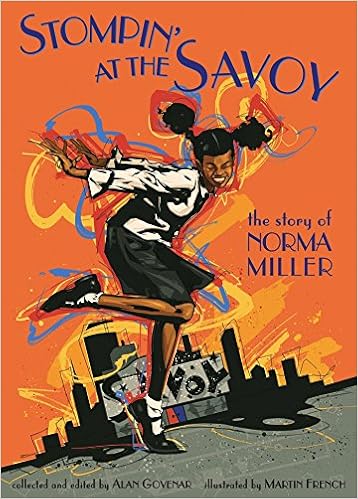
Dancers should be exposed and taught the education of dance. I find it important for students to know the many different experiences people have had with dance. Whether it's based on racism, having a disability, self-esteem, confidence, learning dance, etc. I searched for journal articles that discuss dance as an education. A success with my finding, I learned that dance can be taught by people with disabilities, there are numerous books that talks about dance. Discussing the history, the environment, influences, and so on. There are two journal articles that I found inspiring and educational about dance. "Capoeristas, Arabesques, and Attitudes: Children's Books About Dance and Movement," by Jennifer M. Graff and Denise Davila. This article discusses and examines picturebooks about dance and movement. Each picture book talks about something different that children and adults can relate to. There are books that talk about racism in the dance world and a story of the individual that left their mark during that time, the environment such as animals influencing children by imitating and forming a dance or movement just by observing the animal.

 |
| Flora and the Flamingo by Molly Idle |
Dance has been alive for many years and people have had their ups and downs with it. During the 1800s discrimination came about, a law was created and separated people from each other, for example, the Jim Crow Law. This law says all races are equal but had to have separate public facilities. The "separate but equal" idea did not mean anything. It erupted more hatred, crime, oppression, and violence. Racial discrimination has oppressed and limited people of color from doing more for themselves. Some African American dancers that have faced discrimination in the dance industry are Alvin Ailey, Misty Copeland, Carmen de Lavallade, Arthur Mitchell, Raven Wilkinson and many more. These dancers have paved the way for future students that dream, trains, and make sacrifices to be in a professional dance company.
For this research project, I created 6 questions to interview students in my "Modern Dance I" class with and a survey with the same questions for students that did not want to be recorded, here are their responses:
- Why did you start dancing?
- What do you plan to do with your dance background?
- How does dance affect your education?
- What type of dance style do you gravitate towards and why?
- What are your views on performing arts in the school system?
- Have you ever experienced discrimination or discriminated others in dance?
Dancer: Keisha Cadeus


Dancer: Sharif Claxton


Dancer: Kaitlyn Romero + freestyle
Songs: Abusadamente- MC Gustta
Cardi B- Money
DJ Lil Taj feat. Panic- Flawless (I Woke Up Like This)
Here are other videos of the piece from a different angle:
Below you can take the survey if you have any dance background/experience. It's available to all IF the questions apply to you. Thank you!
Link to survey: https://www.surveymonkey.com/r/D9MQZM3
References:
Keisha Cadeus
Sharif Claxton
Graff, J. M., & Davila, D. (2014). Capoeiristas, arabesques, and attitudes: Children's books about dance and movement. Journal of Children's Literature, 40(1), 70-79. Retrieved from https://draweb.njcu.edu/login?url=https://draweb.njcu.edu:2085/docview/1538319611?accountid=12793
Jerard Johnson
Kaitlyn Romero
https://www.youtube.com/watch?v=D9vKcxlNkq4
References:
Keisha Cadeus
Sharif Claxton
Graff, J. M., & Davila, D. (2014). Capoeiristas, arabesques, and attitudes: Children's books about dance and movement. Journal of Children's Literature, 40(1), 70-79. Retrieved from https://draweb.njcu.edu/login?url=https://draweb.njcu.edu:2085/docview/1538319611?accountid=12793
Jerard Johnson
Kaitlyn Romero
https://www.youtube.com/watch?v=D9vKcxlNkq4
